The world's first decentralized monetary network
“Bitcoin is not just digital money. It's a response to the structural problems in today's financial system: inflation, currency debasement, rising debt and growing dependence on centralized institutions. Bitcoin offers a transparent, predictable and global alternative.”
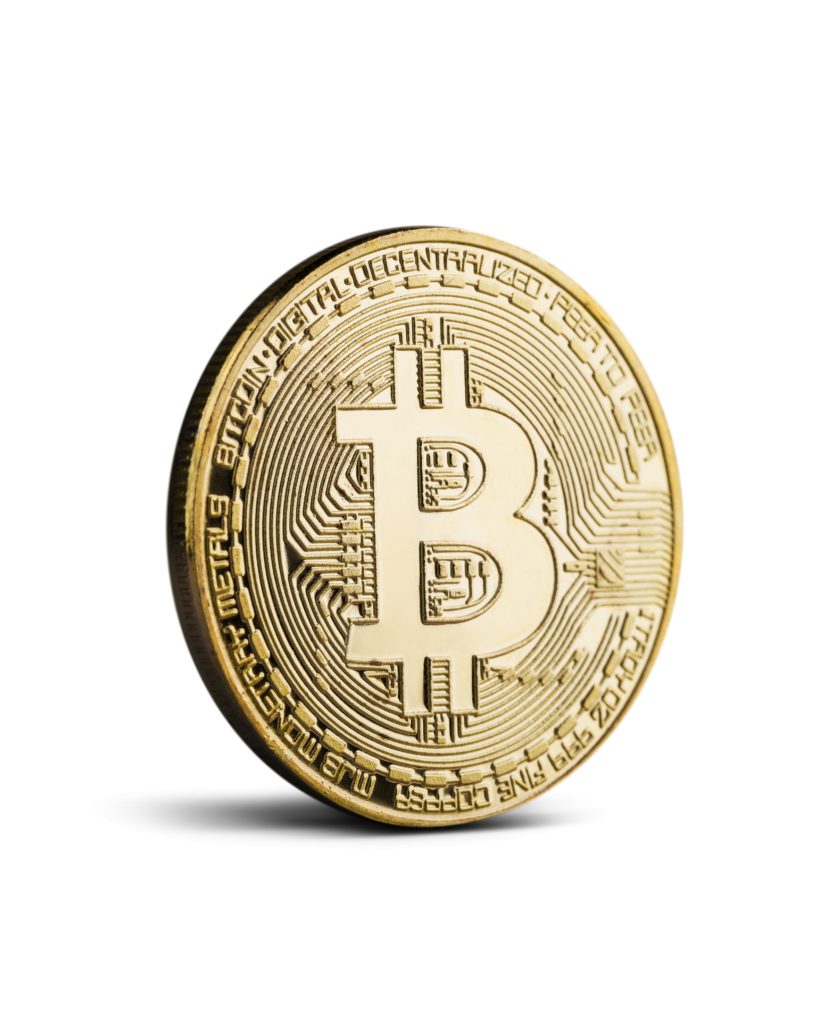
There will never be more than 21 million bitcoin, which makes the supply predictably limited.
No bank, company or government controls the network — it's run by thousands of independent computers around the world.
Bitcoin can be sent anywhere in the world, at any time, without banks or intermediaries.
Every transaction is recorded on an open, verifiable ledger that anyone can review.
A strategic asset for modern companies.
Take control of your savings, your financial freedom and protection against inflation.
Accept fast, global payments with no hidden fees.
Bitcoin is a digital form of money that lets people send and store value directly, without going through banks or authorities. It runs on a global, decentralized network and follows rules that no single party can change.
Bitcoin's value comes from a combination of factors: its fixed supply of 21 million coins, its decentralized and secure network, and its ability to transfer value globally without intermediaries. Unlike traditional currencies, bitcoin can't be printed or manipulated, which gives it predictable monetary rules.
Yes, bitcoin is legal. Because bitcoin is decentralized and not controlled by any single party, it can't be fully banned or shut down by any government or country.
The Bitcoin network itself has never been hacked. It's considered the most secure computer network in the world, protected by cryptography and more computing power than any other public system. Security issues usually come from poor storage or unreliable third-party services — not the network itself.
Bitcoin is a neutral technology. Like cash or the internet, it can be misused, but the vast majority of Bitcoin activity is legal. Bitcoin's open, transparent ledger actually makes it less suited to crime than cash.
No — bitcoin uses energy to secure its network. That energy enables a global, open financial system and increasingly comes from renewable sources, surplus energy, or energy that would otherwise go to waste. In many regions, bitcoin mining helps stabilize power grids and supports the growth of renewable energy.
Bitcoin was created in 2008 by an unknown person or group under the name Satoshi Nakamoto. Satoshi released bitcoin as open-source software and then disappeared, leaving the network fully decentralized and owned by no one.
Getting started with bitcoin usually means learning the basics, choosing a wallet, and starting with small amounts. Education and good security habits are essential before holding larger amounts.